Students' Wellbeing Programmes & Strategies
1. Emotional Bank Account (EBA)
“The concept of the “Emotional Bank Account” was popularized by Stephen R. Covey in his book, The 7 Habits of Highly Effective People. This metaphor represents the trust and emotional relationships we cultivate with others. At Khasadrapchu Middle Secondary School, the Emotional Bank Account (EBA) has been introduced as a constructive tool aimed at reducing behavioral issues and promoting the holistic development of students. This concept involves both positive and negative outcomes, paralleling deposits and withdrawals, and seeks to foster healthy relationships grounded in trust and mutual respect.
The rationale behind the Emotional Bank Account is to provide a framework for understanding and managing the emotional dimensions of relationships. It emphasizes the significance of positive interactions and the necessity of mindful behavior in building and maintaining trust and meaningful connections among individuals. This approach serves as a valuable method for educators and students alike to navigate their relationships effectively.
The central objective of this concept is to illustrate that relationships function similarly to a bank account, where emotional deposits and withdrawals take place. Building trust and strengthening relationships are primary goals. Positive interactions, characterized by courtesy, kindness, and integrity, enhance the emotional balance, fostering a sense of security and open communication. Conversely, negative behaviors such as rudeness or disrespect can lead to emotional withdrawals, diminishing trust. Understanding these dynamics allows individuals to cultivate healthier relationships, ultimately contributing to a nurturing and supportive environment.
2. Counselling & Guidance Services
The Counselling and Guidance Services at our school aim to support the overall well-being and development of students by addressing their academic, emotional, social, and personal needs. These services provide a safe, confidential, and supportive space where students can seek guidance, share concerns, and develop positive coping skills. Through individual and group counselling, life-skills education, career guidance, and preventive well-being programs, students are empowered to make responsible decisions, build resilience, and maintain healthy relationships. The service also works closely with teachers, parents, and relevant support agencies to ensure early identification, timely intervention, and appropriate referrals. Overall, the Counselling and Guidance Services contribute to creating a caring, inclusive, and supportive school environment that promotes student well-being and success.
3. Growing Together (Mentor-Mentee)
Based on the three main goals; Academic Achievement, Student Well-being and School Leadership [ASS] identified by the Dzongkhag Education Sector, Thimphu Dzongkhag, Khasadrapchu Middle Secondary School in its quest to enrich Student Well-being has instituted Mentor-Mentee programme since 2021. As the programme fosters holistic growth of both mentor and mentee, the task force coined the programme as ‘Growing Together’ [GT].
The Growing Together Session is designed to ensure that a structured mentor–mentee service is accessible to all students from PP to Grade X, creating an inclusive support system across the school. Through regular interactions, the programme aims to guide, focus, and motivate students to set and achieve their learning goals, thereby enhancing their academic performance. At the same time, it places strong emphasis on promoting and protecting students’ psychosocial well-being by building emotional resilience, self-awareness, and positive relationships. The scope of the session extends beyond academics, providing a safe and supportive platform where students can share concerns, develop confidence, and grow holistically under the guidance of caring mentors.
4. Health & Wellbeing Screening System
At Khasadrapchu Middle Secondary School, the School Health and Nutrition program prioritizes student well-being through proactive advocacy and practical interventions. During Parent-Teacher Meetings, the school promotes iron supplementation, which is administered weekly every Friday. Hygiene is a core focus; students practice proper handwashing techniques and receive orientation on toilet etiquette, supported by rigorous cleaning schedules and the observation of World Toilet Day. To ensure safety, the school maintains clean water sources, provides filtered water, and conducts regular testing. Comprehensive health checks—covering everything from BMI recording to HPV and TD vaccinations—ensure physical fitness. Furthermore, the school fosters a healthy environment by screening for junk food, providing sanitary napkins with safe disposal bins, and observing Green Day to inspire lifelong wellness habits.
5. Scouting Programmes
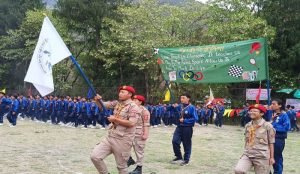
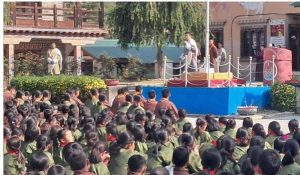
The Whole School Approach Programme is a structured initiative implemented every Thursday during the 9th period for one hour, engaging students from Pre-Primary to Grade 10 in meaningful scouting activities. This programme aims to nurture holistic development by promoting values such as teamwork, leadership, discipline, and community service among learners of all age groups. Through age-appropriate activities, students are guided to build practical skills, enhance social responsibility, and develop a spirit of cooperation and respect. All adult scout leaders actively participate in planning and facilitating these sessions, ensuring that the activities are well-organized, inclusive, and aligned with the principles of scouting. Their involvement provides mentorship, guidance, and positive role modeling for students. The programme also fosters a sense of unity within the school, as learners and leaders work together towards shared goals, creating a supportive and engaging learning environment beyond the classroom.
The Specialized Scouting Curriculum for Grades 5, 7, and 9 is designed as an intensive scouting programme conducted every Wednesday during club time for one hour. Functioning as a structured club, the programme is facilitated by trained adult leaders who guide students through progressive and skill-based activities. Learners actively engage in areas such as outdoor skills, first aid, leadership training, environmental awareness, and community service. The curriculum emphasizes hands-on learning, teamwork, and discipline, enabling students to build confidence and responsibility. Through consistent participation, students develop essential life skills while embodying the core values and principles of scouting in both school and community contexts.
6. Cultural & Spiritual Education
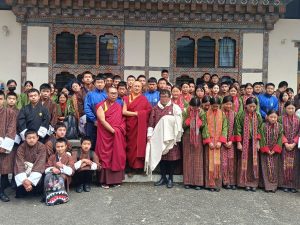
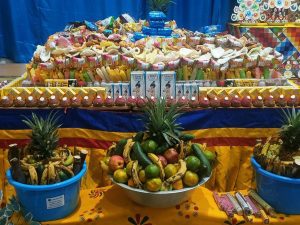
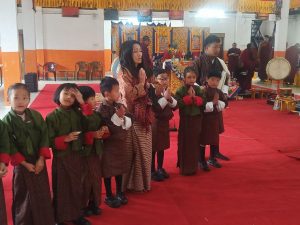
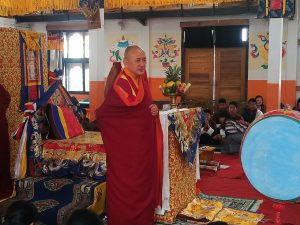
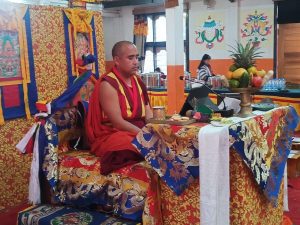
Culture and Spiritual Education form an essential foundation for holistic learning, rooted in the values, traditions, and beliefs that shape individual identity and social harmony. In the context of Bhutan, this approach draws deeply from the nation’s rich cultural heritage and spiritual principles, promoting values such as compassion, respect, mindfulness, and responsibility. At Khasadrapchu Middle Secondary School, Culture and Spiritual Education plays a vital role in nurturing students’ character alongside academic growth. Through activities like meditation, value-based discussions, cultural practices, and community engagement, students develop a deeper sense of self-awareness and ethical responsibility. This not only strengthens their emotional well-being but also fosters positive behavior, resilience, and a sense of belonging. Ultimately, such education helps students grow into responsible, balanced individuals who contribute meaningfully to society while preserving and appreciating their cultural identity.
7. Parenting Education Programme
A Parenting Education Programme (PEM) or Parent Teacher Meeting (PTM) is a structured interaction between parents and teachers to discuss a child’s academic progress, behavior, and overall development. It provides an opportunity to share feedback, identify strengths and areas for improvement, and work together to support the child’s learning journey. Organizing PTMs is important because it strengthens communication and collaboration between home and school, ensuring that both parents and teachers are aligned in guiding the child. Such meetings help address concerns early, motivate students, and create a supportive environment that fosters the child’s holistic growth and well-being.
8. Games & Sports
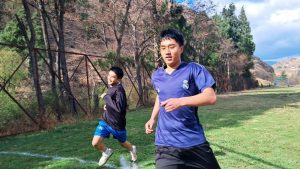
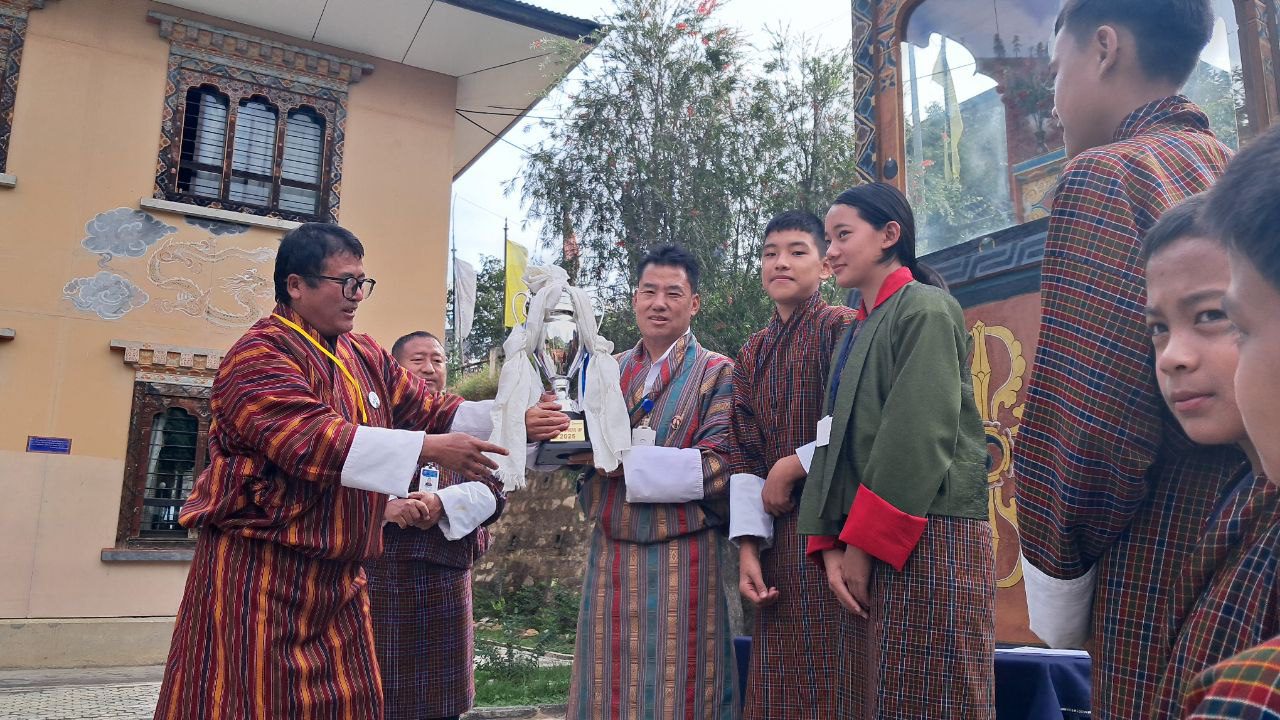
Khasadrapchu Middle Secondary School strives to promote games and sports as an essential part of students’ overall growth and well-being. The school regularly organizes a variety of sporting activities, including annual athletics meets, sports meets, and house tournaments across different games. These events provide students with opportunities to develop physical fitness, teamwork, discipline, and sportsmanship. By actively engaging in such programmes, students not only enhance their skills but also build confidence and a healthy competitive spirit. The school believes that participation in sports plays a vital role in shaping well-rounded individuals and fostering a balanced and active lifestyle.
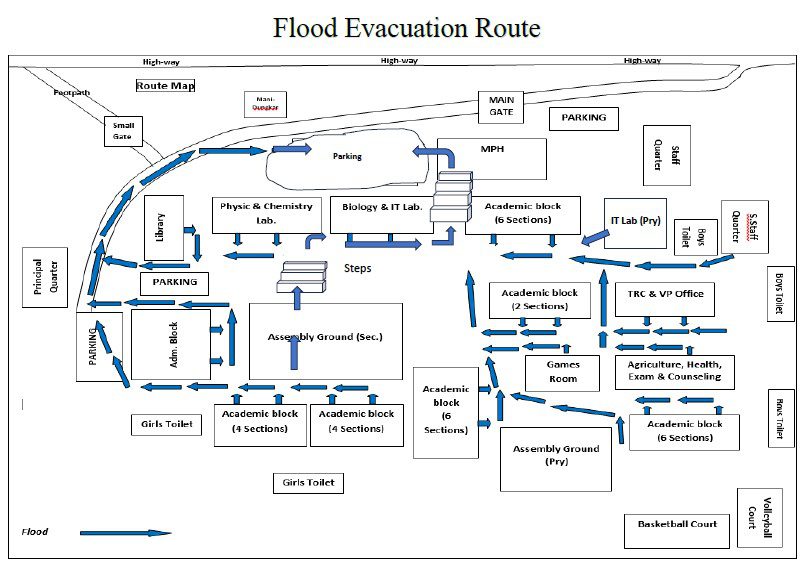
9. School Disaster Management Plan
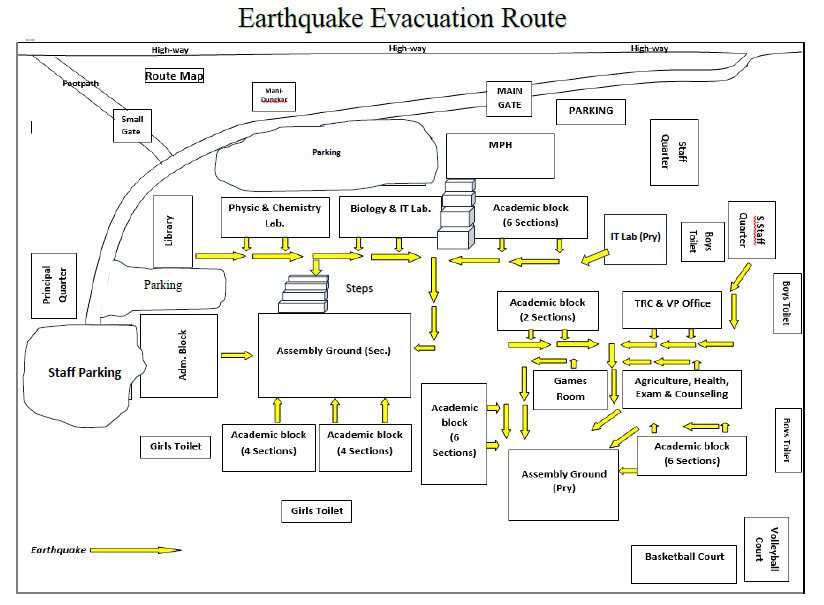
Khasadrapchu Middle Secondary School strives to promote games and sports as an essential part of students’ overall growth and well-being. The school regularly organizes a variety of sporting activities, including annual athletics meets, sports meets, and house tournaments across different games. These events provide students with opportunities to develop physical fitness, teamwork, discipline, and sportsmanship. By actively engaging in such programmes, students not only enhance their skills but also build confidence and a healthy competitive spirit. The school believes that participation in sports plays a vital role in shaping well-rounded individuals and fostering a balanced and active lifestyle.
10. Anti-Bullying Awareness Programme
Anti-bullying program is coordinated by counsellors and wellbeing focal teachers. through Preventive enhancement of safe environment) and Responsive services (assessment, reporting, support services and referral).
11. Peer Helpers Programme
- Maximum 30 student
- Gender balanced – 15 girls and 15 boys
- Implement either as a club or a program
- Integrated with DAISAN-RENEW
12. Student Resilience Development Programme (SRDP)
Students Resilience Development Program is a resilience development training package aimed at strengthening emotional resilience by enhancing knowledge, skills and practices on managing emotions, through 10 different topics:
- SRDP- Introduction
- Brain Science
- Mindfulness
- Emotional Awareness
- Head, Body and Heart Check in and Body Scan
6. ABCD Model of Albert Ellis
7. Self-Awareness
8. ‘Tonglen’- Psychological Exchange
9. Growth Mindset
10. Self-Care
The students are screened using the Situational Analysis and categorized into Universal and targeted groups. The targeted students are compulsorily taken through all the ten topics while the topics for the Universal category are covered based the needs.