
Reading Programme
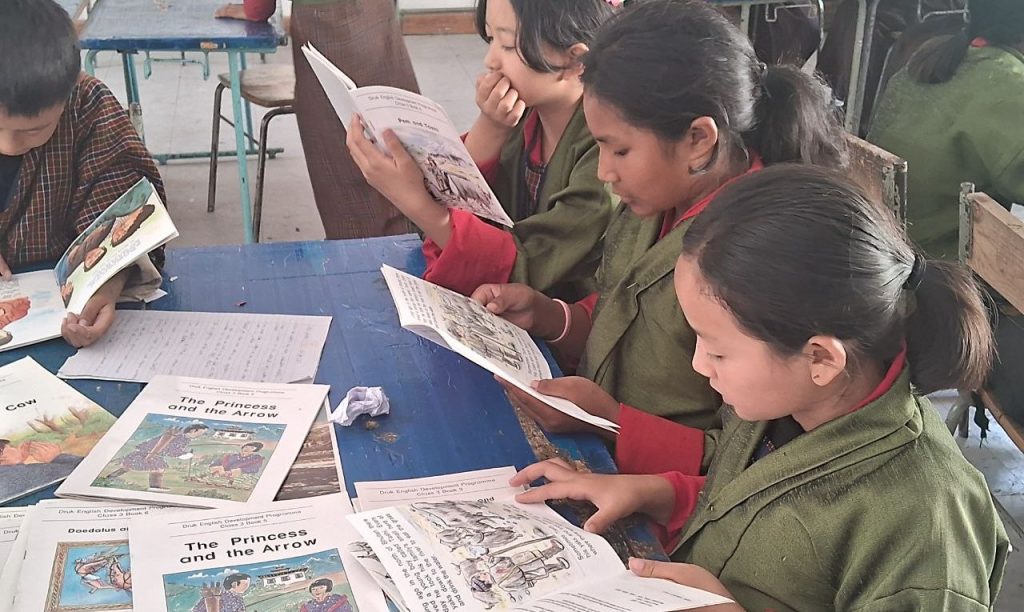
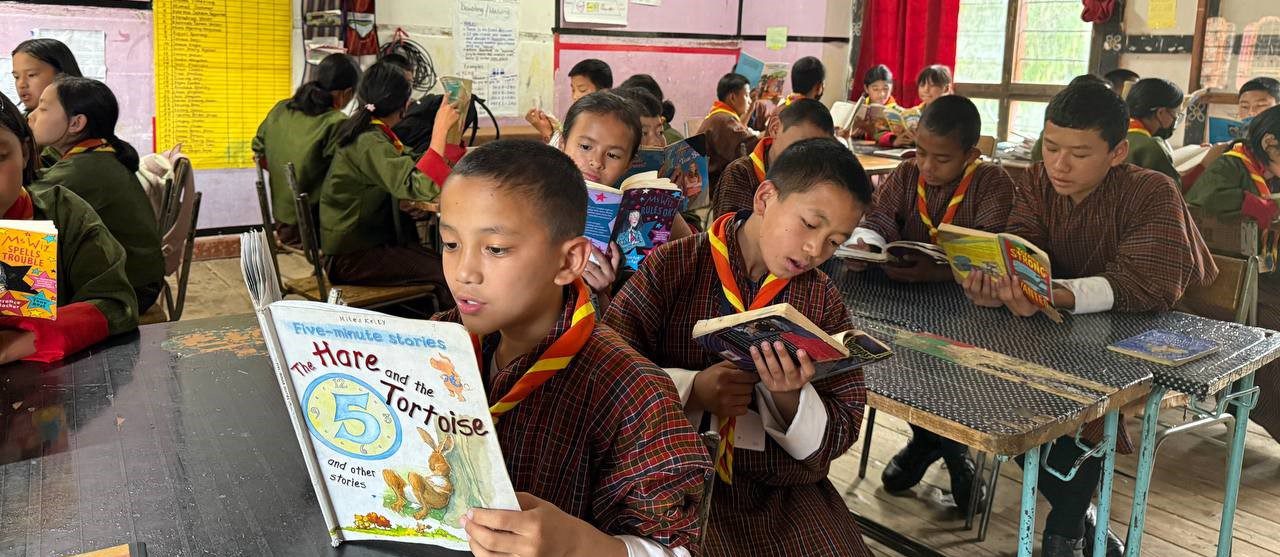
A reading programme in schools plays a vital role in developing students’ literacy skills and nurturing a lifelong habit of reading. At Khasadrapchu Middle Secondary School, both teachers and students are provided with a dedicated day and period specifically for reading, creating a structured and focused environment for this important activity. During this time, learners engage with a wide range of reading materials, including storybooks, subject texts, and informational resources, which help improve their vocabulary, comprehension, and critical thinking skills. Teachers also actively participate, setting positive examples and staying updated with new knowledge and information. The programme is intended to uplift the academic performance of students by strengthening their understanding across subjects and encouraging independent learning. For the school community as a whole, it aims to promote a reading culture, enhance communication skills, and foster curiosity and creativity. Additionally, it supports teachers in professional growth while guiding students toward becoming confident and fluent readers. Overall, the reading programme ensures that both students and teachers benefit from continuous learning, contributing to improved academic outcomes and a more informed and engaged school community.
Reading Programme at Khasadrapchu Middle Secondary School
Khasadrapchu Middle Secondary School implements a comprehensive and structured Reading Programme aimed at strengthening students’ foundational literacy skills and fostering a lifelong reading culture. The programme is carried out through three key components:
1. Generic and Focused Reading Programme (PP–VI)
The school adopts a whole-school reading approach to promote consistent reading habits among students.
Generic Reading Programme:
- The school observes the DEAR (Drop Everything and Read) Moment every Wednesday, alternating between Dzongkha and English reading each week. During this time, all students and staff actively participate in reading.
- Follow-up activities are conducted by respective language teachers to reinforce comprehension and engagement.
- Students are encouraged to read a variety of books and maintain reading logs to track their progress.
- Learners also develop critical thinking and expression skills by writing book reviews.
Focused Reading Programme:
To support learners requiring additional guidance, teachers implement targeted instructional strategies such as:
- Model Reading
- Echo Reading
- Choral Reading
- Reader’s Theatre
These intervention strategies are integrated into classroom teaching. Progress is monitored through reports and record sheets collected from each class and compiled for term-wise review.
2. DIBELS Reading Programme
The school also implements the Dynamic Indicators of Basic Early Literacy Skills (DIBELS) assessment to support early identification and improvement of reading abilities.
- A pre-test is administered annually to screen students who may be at risk of reading difficulties.
- Based on the assessment, targeted interventions are provided focusing on key literacy components such as phonemic awareness, phonics, reading accuracy, and fluency.
- A post-test is conducted after two weeks of intervention using the same materials to measure progress.
- Assessment data is systematically recorded, compiled, and submitted term-wise at the Dzongkhag level.
The consistent implementation of the DIBELS programme has contributed to a noticeable improvement in students’ reading performance and overall academic results over the years.