
English Department
English is an international language of learning, communication, and opportunity. The English department equips students with reading, writing, listening, and speaking skills necessary for higher education, digital access, and global engagement. Specialist teachers develop lessons that build vocabulary, comprehension, critical thinking, and expressive skills across subjects. A focused department ensures consistent progression from basic literacy to academic language needed in science, math, and examinations. It also prepares learners for future careers and cross‑cultural interaction. By coordinating resources, assessments, and teacher professional development, the English department raises overall academic standards and helps students access a wider world of information and opportunity.
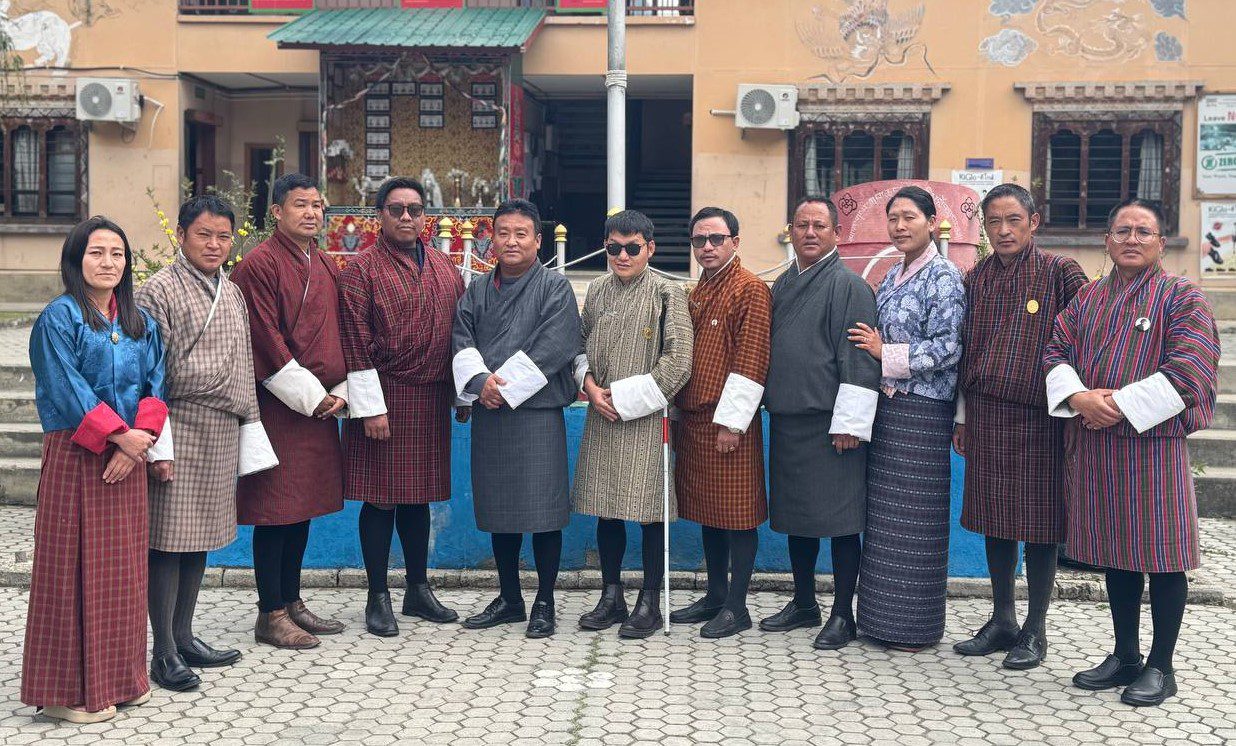
Dzongkha Department
Dzongkha is Bhutan’s national language and a key part of our identity and culture. A dedicated Dzongkha subject department ensures that students learn the language correctly—reading, writing, speaking, and appreciating traditional literature and oral heritage. Trained teachers in the department develop age‑appropriate materials, teach grammar and composition, and promote cultural values embedded in language use. The department also supports national initiatives like Driglam Namzha and fosters communication skills needed for civic life. By organizing curriculum, assessments, and teacher training specifically for Dzongkha, schools preserve linguistic heritage while helping learners become confident, responsible citizens who can participate fully in Bhutanese society.
Mathematics Department
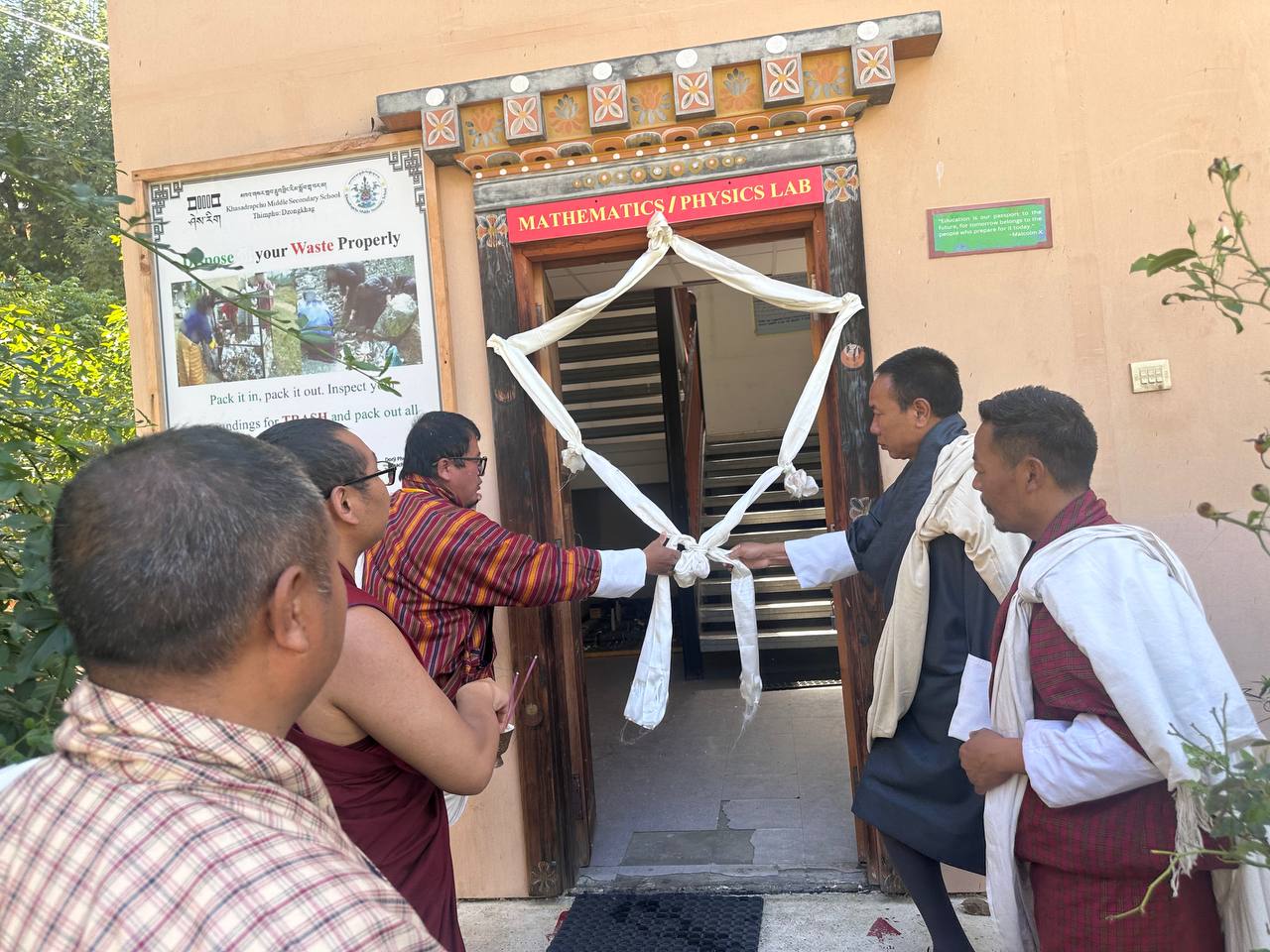
Mathematics provides the foundation for logical thinking, problem‑solving, and quantitative reasoning essential across life and careers. A mathematics department organizes coherent learning pathways from basic numeracy to higher mathematical concepts, ensuring students develop confidence with numbers, operations, patterns, and measurement. Specialized teachers design practice‑rich activities, formative assessments, and interventions to support diverse learners. The department also liaises with other subjects—science, technology, and commerce—to apply mathematical skills in real contexts. By building strong numeracy, schools help students make informed decisions, pursue STEM pathways, and develop analytical habits that serve them academically and professionally.
Science Department
The science department nurtures curiosity, inquiry, and an understanding of the natural world. Through structured curriculum and laboratory experiences, students learn biology, chemistry, physics, and environmental science, developing skills in observation, experimentation, and evidence‑based reasoning. The department equips teachers to design safe, hands‑on activities and promote scientific literacy—essential for addressing health, environment, and technological challenges in Bhutan and beyond. Science education also supports the Sustainable Development Goals by raising awareness of conservation and responsible resource use. By coordinating labs, materials, and assessments, the department ensures consistent, inquiry‑driven learning that prepares students for further study and informed citizenship.
Digital, Technology & Innovation
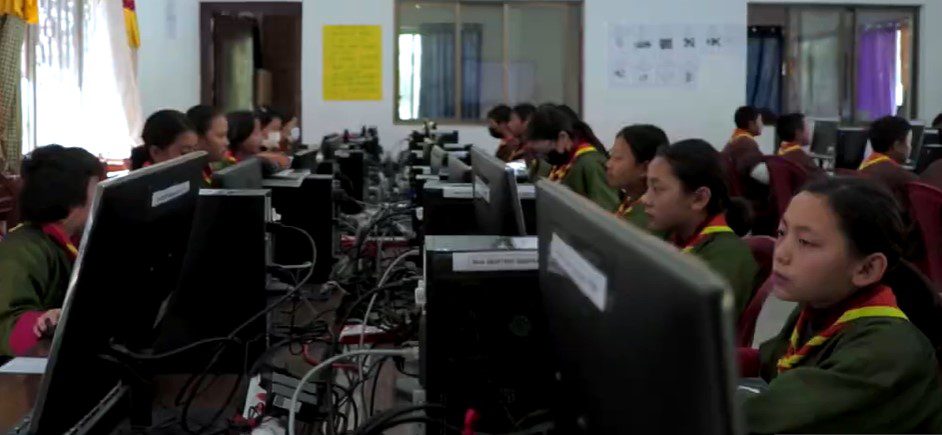
In a rapidly changing digital world, the Digital Technology & Innovation department prepares students with computational thinking, digital literacy, and creative problem‑solving skills. This department introduces safe, ethical use of technology, basic coding, digital tools for learning, and project‑based innovation that link classroom knowledge to real problems. It supports the integration of ICT across subjects and helps teachers use digital resources effectively. By building students’ capacity to adapt, design, and collaborate using technology, the department readies learners for future careers and contributes to national development goals. Structured guidance ensures equitable access, responsible use, and the development of skills that drive creativity and economic opportunity in Bhutan.
Humanities
The Humanities department plays a vital role in Bhutanese schools by helping students understand human society, culture, values, and history. It brings together subjects such as history, geography, civics, and social studies to build learners’ civic awareness, ethical reasoning, and appreciation of Bhutan’s cultural heritage and global diversity. Through inquiry, discussion, and project work, students develop critical thinking, empathy, and communication skills needed to participate responsibly in community life. The department also guides the curriculum that connects national identity (including Driglam Namzha and Gross National Happiness principles) to contemporary issues such as sustainability and social justice. By fostering informed, reflective citizens, the Humanities department supports holistic education and the nation’s long‑term social development.